
The DSP only offered performance data in grid-like report formats with many metrics and columns. Experienced analysts could translate numbers into decisions, but non-expert marketers and self-serve users couldn't. Raw data without context isn't information.
Research approach
I conducted user interviews with Account Managers, Performance Analysts, and Self-Serve user representatives. The critical framing: I asked not "what data do you want?" but "what decisions do you make after looking at data?"
That distinction shaped everything. The goal wasn't to surface more data, it was to surface the right context around data to make decisions obvious.
Key research findings:
- Users needed to see money spent relative to goals met, not spend in isolation
- Core metrics needed to be visible and sortable without configuration
- The interface needed to suggest actions: adjust budget, change optimization goal, refine targeting
- Different user types had different thresholds, what counted as "needs attention" varied significantly
The Insights dashboard
I designed the Insights module as a card-based dashboard that organized performance information by decision type rather than data type. Starting from rough sketches through multiple rounds of high-fidelity wireframes (iterated with technical and functional teams), the module launched in September 2019.
One technical constraint required removing Audience and Content data cards from the initial release. I adjusted the phasing so the core experience was still complete, with those cards planned for a subsequent release.
The dashboard evolved over time into dedicated insight pages:
Performance
Core spend vs. goal metrics with sortable key indicators
User Insights
Demographic information about who is seeing and engaging with ads
Context Insights
Pages and environments where ads are being served
Budget Insights
Advertising spend transparency and pacing context
The Final Product
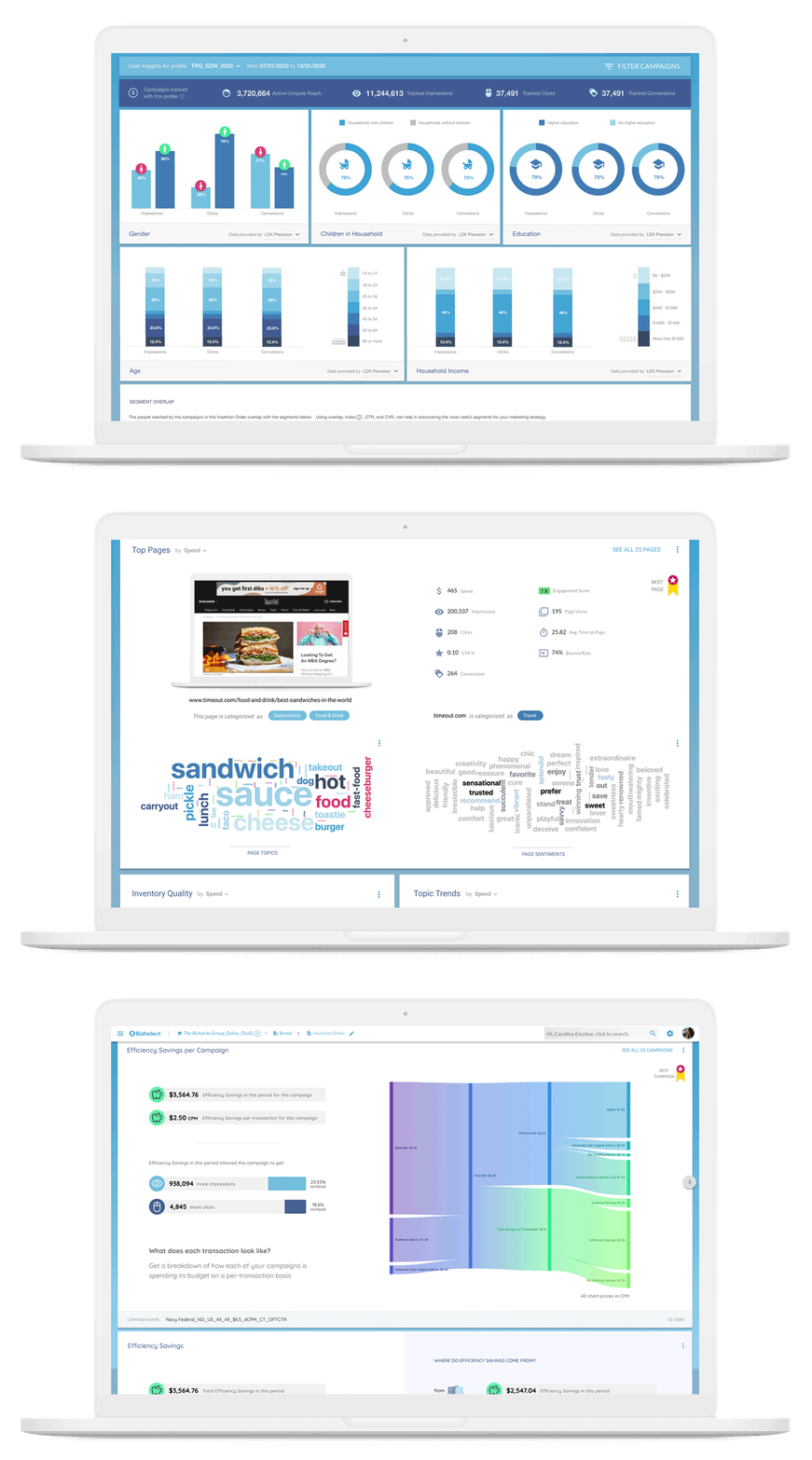
Insights dashboard: decisions organized by question type, not data type
Adoption over time
Usage was tracked through Pendo product analytics. The trend across three years tells the story:
Accounts tracked via Pendo analytics.
Outcome
- Deployed to production in September 2019, continuously improved with new cards and insight pages
- By 2021, Insights surpassed Report Grids in both accounts and page views
- Non-expert self-serve users could understand performance and take action without analyst support
- The challenge of unifying feedback across Account Managers, analysts, and self-serve users shaped a repeatable interview and synthesis process I carried into later work